wireless solutions
Outdoor Wi-Fi for large working areas.
People should be able to send an update from the checkpoint, yard or parking lot where the job is happening. Aura Wireless uses Apogee antennas with suitable radios to extend two-way outdoor Wi-Fi coverage. The right design begins with the places devices need to work and the infrastructure available to serve them.
Reach the device in both directions
A phone can see a network while its reply struggles to reach it. Apogee’s receive-side design helps address that return path. Plan around the actual handhelds, tablets or other compatible clients that must exchange information across the property.
Put infrastructure where it can serve the site
Buildings, poles and other mounting opportunities shape the coverage plan. Consider the direction of service, terrain, obstructions and available power. A useful location also needs a network connection that can carry the traffic back to the systems people use.
Give the budget a complete design
Fewer AP installations can change cabling, mounting and maintenance requirements. Aura describes deployment-dependent reductions of up to 90% in AP count. That is a maximum, not a typical result or capacity claim. Compare equipment and installation needs for your actual site.
A checkpoint became a connected work area
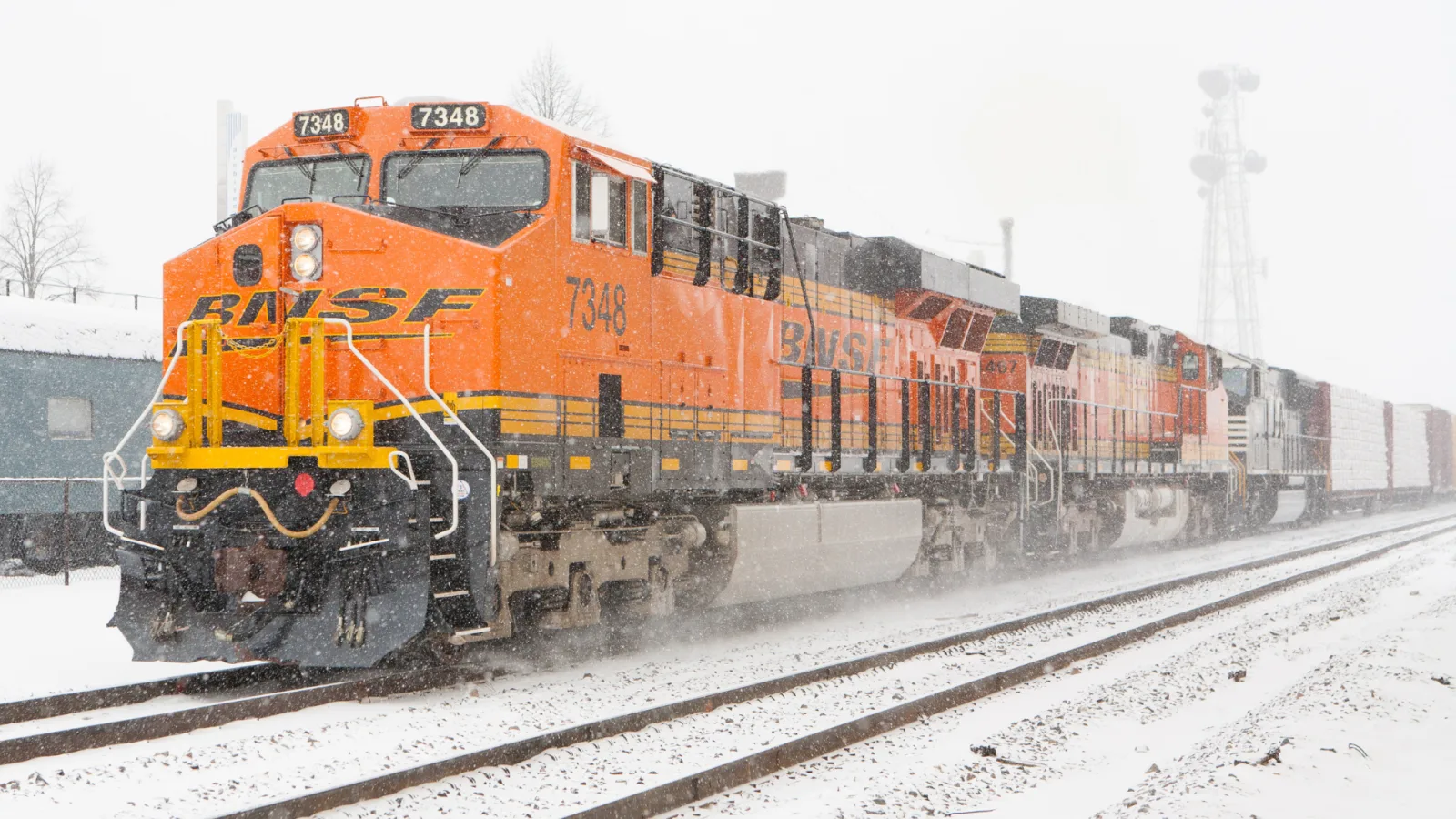
At a 35-acre rail checkpoint, one Apogee antenna extended coverage so employees could upload data and receive assignments on-site. The source reports that trips back to the main facility solely to synchronize devices were no longer needed.
The value was the ability to exchange information while remaining at the checkpoint. The one-antenna count and 35-acre result describe that installation. Terrain, structures, mounting and client requirements determine the plan for a different property.
Read the rail checkpoint caseKeep coverage, capacity and backhaul in the plan
Apogee contributes antenna coverage. The connected access point or radio handles the wireless connection. Backhaul is the upstream network path that carries traffic from the site to its destination. Each role needs to be accounted for before a coverage map can become a working service.
Capacity is another requirement. A few handhelds posting updates create a different load from a busy public area or multiple video streams. Wider coverage does not increase an AP’s concurrent-session limit. Include the expected active devices, applications and busy periods when the radio and backhaul are selected.
Apogee’s approved receive-gain label is 25–26 dBi. It describes receive behavior, not additional gain to add to another figure. It also does not establish a universal range or the transmit settings for every installation.
Understand the two-way connectionMatch the antenna to the working area
Compare Apogee 180 for coverage directed out from an edge with Apogee 360 where the intended service area surrounds the mounting position. Check the specific model, supported bands, radio interfaces and installation requirements before selecting hardware. A long property may need a different arrangement from an open area around a central structure.
Metal-heavy yards add another set of conditions. One industrial-yard deployment used two Apogees across 20 acres for payments and inventory updates. A separate rail-yard deployment used two Apogees for scanning, container tracking and inspection work. Keep each example’s results with its own site.
Explore industrial-yard Wi-FiOutdoor wireless network questions
What determines usable outdoor Wi-Fi range?
Usable outdoor Wi-Fi range depends on both ends of the link, including the client radio, antenna placement, terrain, obstructions and network configuration. Identify where devices must send and receive data, then model and check those areas. The 35-acre rail checkpoint is a specific deployment result, not an acreage allowance for every antenna.
Can a handheld show a strong signal and still lose its connection?
A handheld must transmit data back to the network to complete a Wi-Fi exchange. Its lower-power radio can limit a connection even when the signal reaching the screen looks strong. Apogee’s receive-side architecture helps the network hear compatible client devices across the intended coverage area.
Does outdoor antenna coverage provide internet access?
Outdoor antenna coverage gives compatible devices a radio path to the installed network. Internet access requires an upstream connection and the services configured for those devices. Include available backhaul, its capacity and the destination applications in the site assessment.
How are predictions checked after installation?
Check the installed network with the intended devices in the required working areas. Include paths around buildings, changing equipment and the busiest expected uses. A coverage model is a prediction based on its inputs; field checks establish how the installed design performs.
Where should an outdoor coverage project start?
Start with a site plan showing the work areas, device routes and current connection gaps. Add available mounting positions, power, network connections and the device list. Aura and the integration partner can use those requirements to assess the coverage approach.
Continue your site assessment
Plan coverage for your outdoor site.
Bring the site plan, device requirements and available mounting and network locations. Contact Aura about the coverage options, or find a partner for your project.