case study | agriculture
U-Pick Farm Wi-Fi Across 250 Acres With Three Apogees
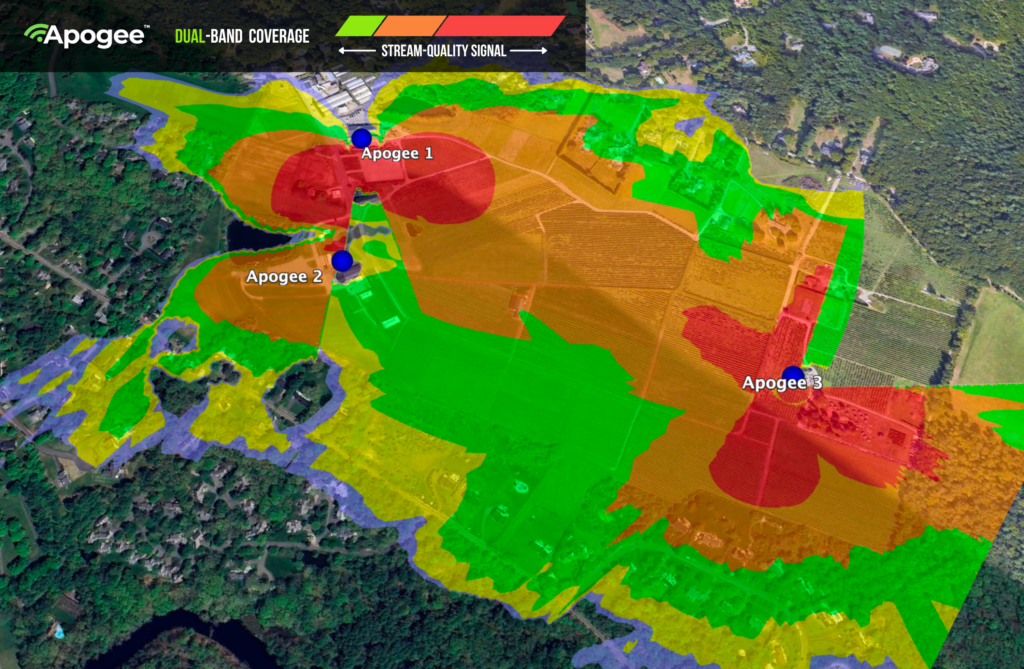
Three Apogee antennas extended U-Pick farm Wi-Fi across 250 acres for outdoor payments, cameras, farm sensor data and visitor information.
Published
A restaurant payment, a camera at the edge of a field and a soil reading all depended on the same missing piece at this U-Pick farm: a usable connection. The property covered 250 acres, but its Wi-Fi reached only scattered pockets of the places where staff and visitors needed it.
Outdoor point-of-sale devices lost service. Cameras in remote areas dropped offline. Farm sensors could not reliably get their readings back to the people using them. The equipment was in place, but the network limited what the farm could do with it.
The farm deployed three Apogee antennas to extend Wi-Fi across the property. The result supported restaurant service, remote monitoring and access to visitor information throughout the farm.
One property, several kinds of connected work
A U-Pick farm has to serve both agricultural operations and the people visiting them. Here, the restaurant needed outdoor payments to work where guests sat. Farm staff needed information from sensors monitoring soil moisture, tank levels and environmental conditions. Security cameras needed connections in areas well away from the main buildings.
Those uses put different demands on the network. A payment device moves with an employee. A camera stays in one place but sends video. A sensor provides information that is useful only when it can reach the systems staff consult.
Visitors added another use. They accessed orchard maps, harvest information and event schedules on their phones. The coverage problem therefore touched both the running of the farm and the experience of spending time there.
How three Apogees extended U-Pick farm Wi-Fi
The installation used three Apogee antennas for the 250-acre property. The source describes coverage extending through orchard rows, fields and areas where the earlier network had been unreliable.
The return path from a device matters over those distances. A tablet or other low-power device may receive a signal without the network reliably receiving its reply. Apogee’s Asymmetric Gain helps the network hear that device signal, supporting the two-way exchange needed for connected work.
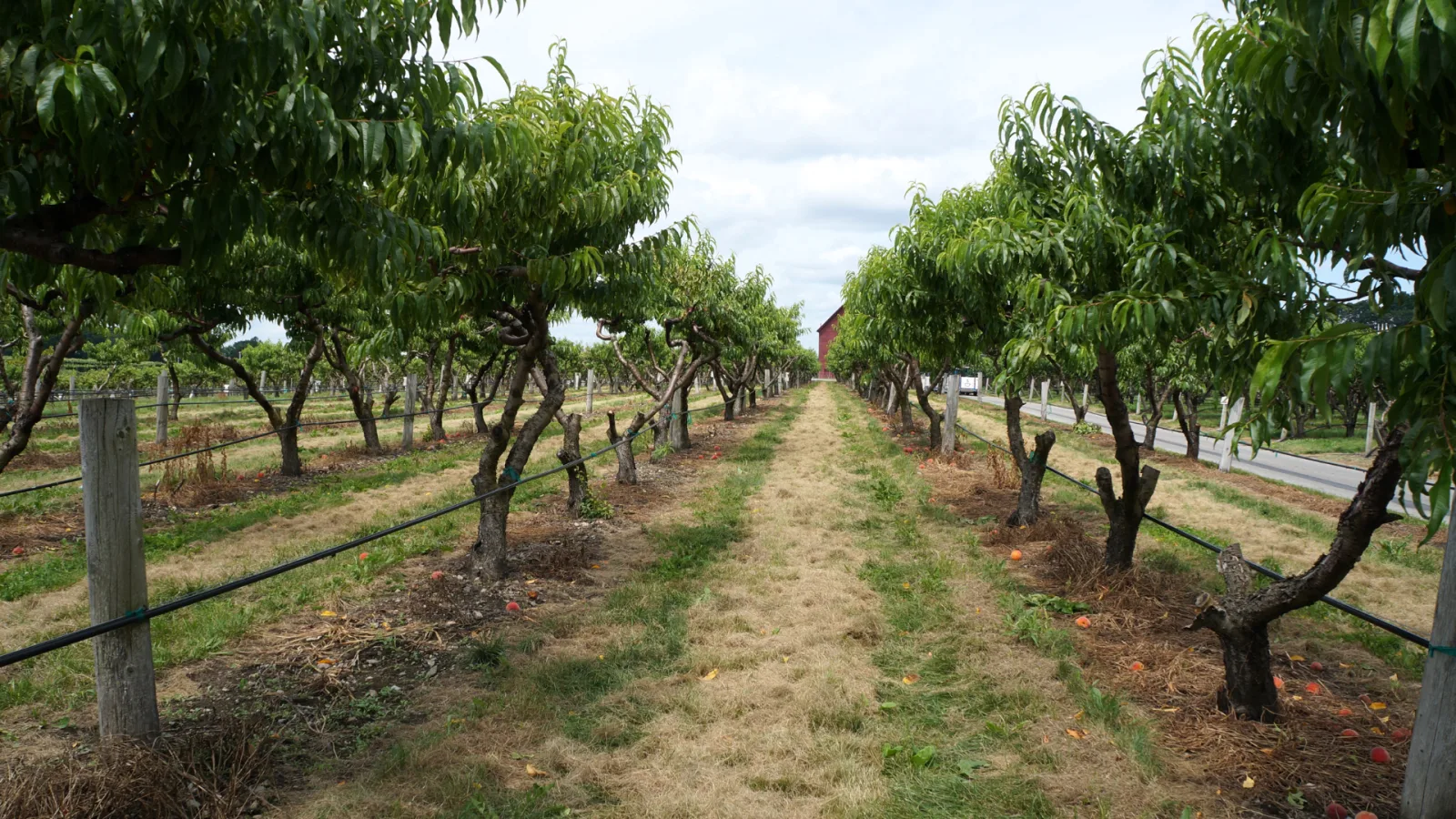
The terrain and vegetation also belong in the design. Orchard rows, tree canopies, open fields and equipment routes create different radio conditions. Antenna placement and configuration need to account for where the farm’s devices operate and how the property is used.
Apogee works with the access points or radios in the network. Its coverage contribution does not make every sensor or agricultural device directly Wi-Fi compatible. A project needs to identify the devices’ communication requirements and any supporting gateways or network connections.
More of the farm’s equipment became useful
After deployment, the source describes cameras staying online in remote areas and sensor data reaching staff dashboards in real time. Soil readings, tank levels and temperature alerts became available to support farm decisions.
Restaurant staff could use point-of-sale devices farther outdoors, and the restaurant expanded its outdoor seating. Visitors could reach the maps and schedules that helped them use the property. These are different tasks, but they share a practical result: people could access the information or service where they needed it.
The case establishes those coverage and workflow improvements. It does not provide a measured crop-yield increase, a financial return calculation or a peak visitor-capacity test. Those questions need their own evidence when evaluating a new farm project.
Questions about connectivity at the U-Pick farm
How large was the property, and how many antennas were used?
The U-Pick farm covered 250 acres and used three Apogee antennas. The antenna count belongs to this deployment. Another farm’s terrain, vegetation, device locations and network requirements determine its coverage design.
Which farm activities used the connection?
The connection supported outdoor restaurant point-of-sale devices, security cameras, sensors reporting farm conditions and visitor access to maps, harvest information and event schedules. The source does not list individual device models or sensor protocols.
Will every IoT sensor connect directly through Apogee?
Apogee’s antenna coverage does not establish compatibility with every IoT protocol. The farm’s sensor radios and any gateways must fit the connected network. Device compatibility should be checked alongside the site coverage requirements.
Read Aura’s outdoor wireless network overview and how Apogee works. To discuss a farm with both working and visitor areas, contact Aura Wireless with a site plan and the devices you need to connect.