case study | logistics
Distribution Center Wi-Fi That Reaches Drivers Before the Bay
See how distribution center Wi-Fi reached drivers at the gates, delivering bay instructions before parking and reducing corrective freight handling.
Published
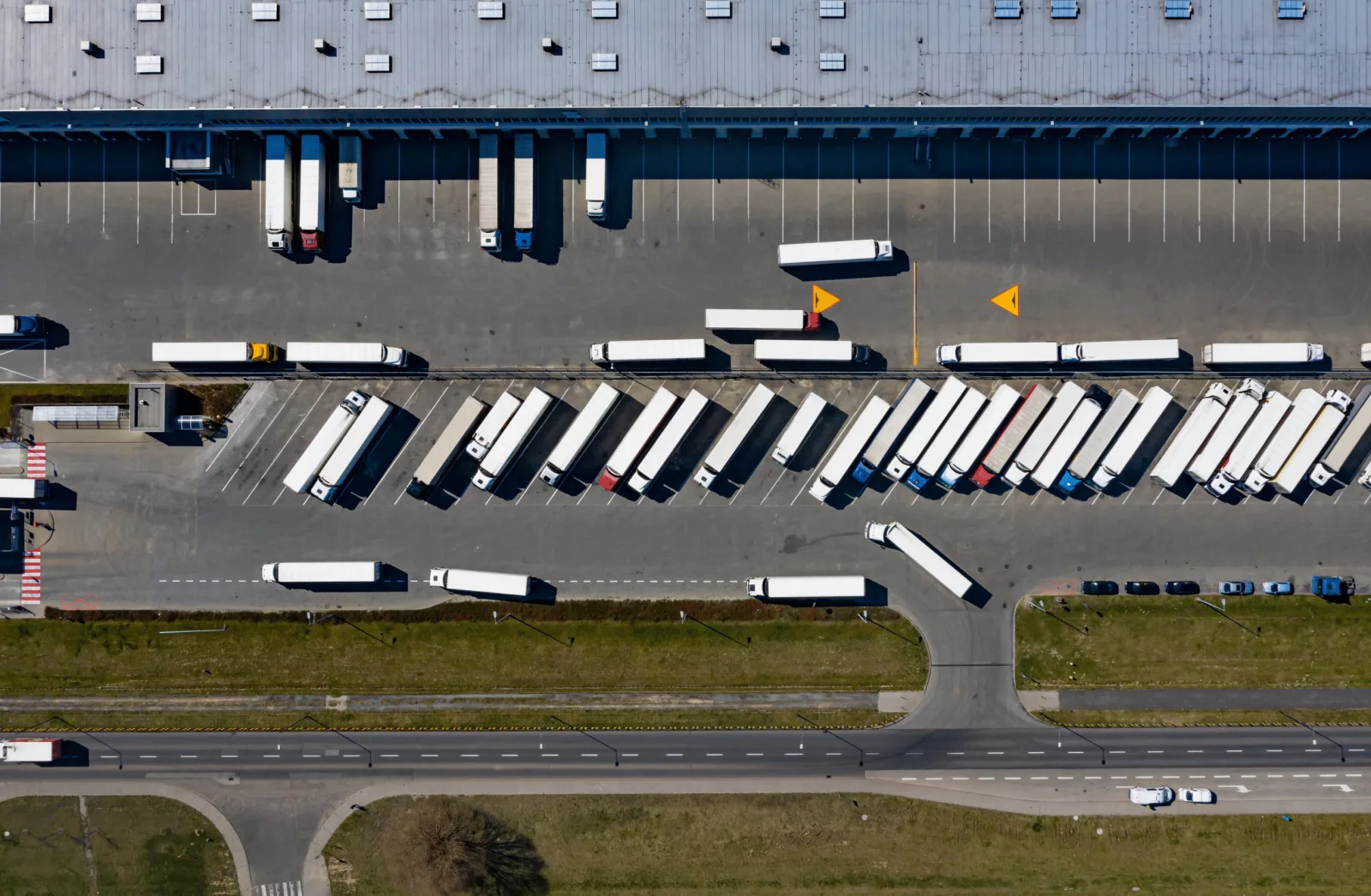
A truck arriving at the wrong delivery bay creates work for more than the driver. At this distribution center, freight sometimes reached the wrong part of the building before the mistake was clear. The team then had to move the truck or carry the freight across the warehouse floor.
The problem started outside. Drivers lost their connection as they came through the yard, so delivery instructions could arrive after they had already parked. Distribution center Wi-Fi needed to reach them earlier, while there was still time to head for the correct bay.
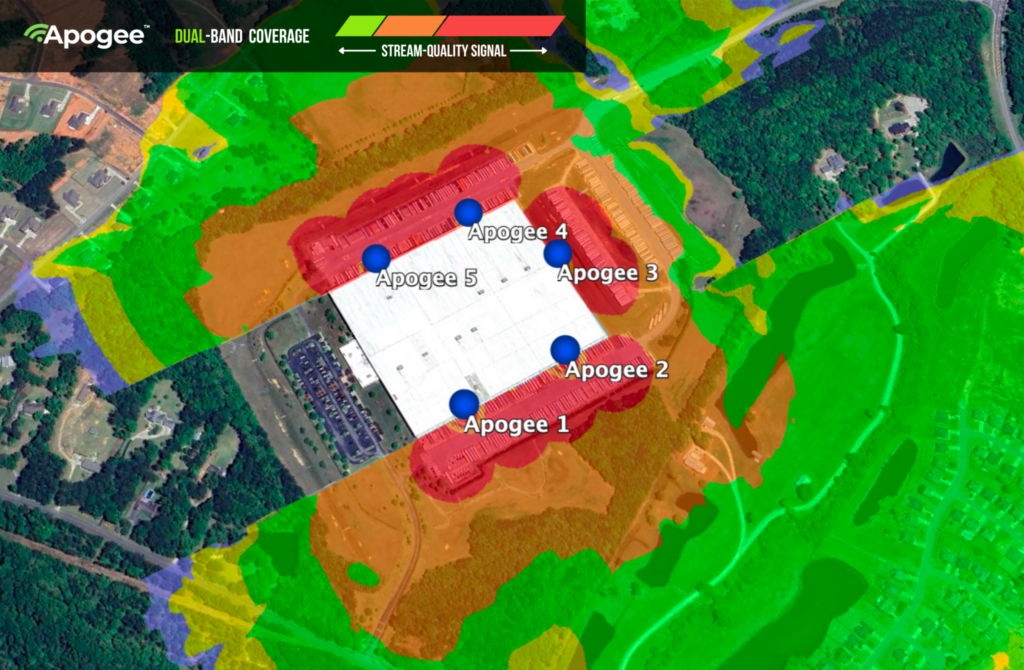
Aura Wireless deployed Apogee antennas throughout the delivery zones. Coverage extended from the campus gates to the bays, allowing drivers to receive instructions when they entered the property.
Getting the right information to the driver
The center already had a process for directing incoming deliveries. That process depended on drivers receiving the information in time to use it. Gaps in yard coverage put the wireless network between an instruction and the person who needed it.
For warehouse crews, the consequence was physical. Freight unloaded in the wrong place still had to reach its destination. Correcting the mistake meant moving equipment or handling freight again, while other deliveries continued to arrive.
Extending the connection to the gates brought the delivery instructions into the arrival process. Drivers could see where they needed to go before reaching a bay. The change addressed a specific source of avoidable handling: an unloading decision made without current information.
Distribution center Wi-Fi from gate to delivery zone
Apogee antennas helped extend the network into the areas drivers crossed on arrival. The antennas worked with the wireless network to support the connection between drivers’ devices and the systems sending their instructions.
A useful connection has to work in both directions. The network sends the bay assignment, and the driver’s device must be able to communicate back. Handhelds and in-truck systems can have a weaker return signal than the equipment serving the yard.
Apogee’s Asymmetric Gain addresses that receive-side challenge. Its coverage contribution helps the network hear device signals across the intended area. Placement still matters, particularly where trucks and steel structures can obstruct or reflect signals. The design needs to follow the routes drivers actually use.
Filtering has a separate role. Apogee’s Steep Powered Filters reduce unwanted out-of-band signals. They do not remove the physical obstacles in a yard or eliminate every source of interference. The practical test is whether the devices can exchange the information needed for the delivery workflow.
What changed at the delivery bays
With coverage available on arrival, drivers received real-time directions on their screens. The source describes trucks reaching the right bays and warehouse crews spending less effort correcting misplaced deliveries.
One driver put the change this way: “Before, I parked and hoped I was in the right spot. Now, I know. I get the message before I even stop rolling.”
That is the useful result for an operations team: the instruction reaches the driver before unloading starts. It gives the existing delivery process a better chance to work as intended and reduces the need to correct a decision after freight has moved.
Questions about delivery-yard connectivity
What did the distribution center use the Wi-Fi connection for?
The distribution center used Wi-Fi to send delivery-bay instructions to drivers as they entered the campus. Apogee antennas extended coverage through the delivery zones so those instructions could arrive before drivers parked and unloaded.
Why did Wi-Fi coverage need to begin at the campus gates?
Drivers needed their bay assignments before choosing where to park. Wi-Fi coverage starting at the campus gates let their devices connect as they arrived, so delivery instructions reached them before they stopped at a bay.
How did better yard Wi-Fi help warehouse crews?
With drivers receiving instructions before parking, trucks reached the correct delivery bays. Warehouse crews spent less time moving misplaced freight across the building or repositioning trucks to correct a delivery at the wrong bay.
For related indoor operations, see Aura’s warehouse Wi-Fi approach. Read how Apogee works for the two-way connection explanation. To review coverage along your delivery routes, talk with Aura Wireless about RF modeling.