case study | hospitality
California Waterpark Wi-Fi With Nine Apogee Antennas
Nine Apogee antennas extended California waterpark Wi-Fi for payments, visitor maps, digital passes and staff coordination across the park.
Published
A food stand needs its payment terminal to work when a family is ready to order. A visitor needs the park map when deciding where to go next. At this California waterpark, inconsistent Wi-Fi interrupted both tasks, while staff also struggled to stay connected across the property.
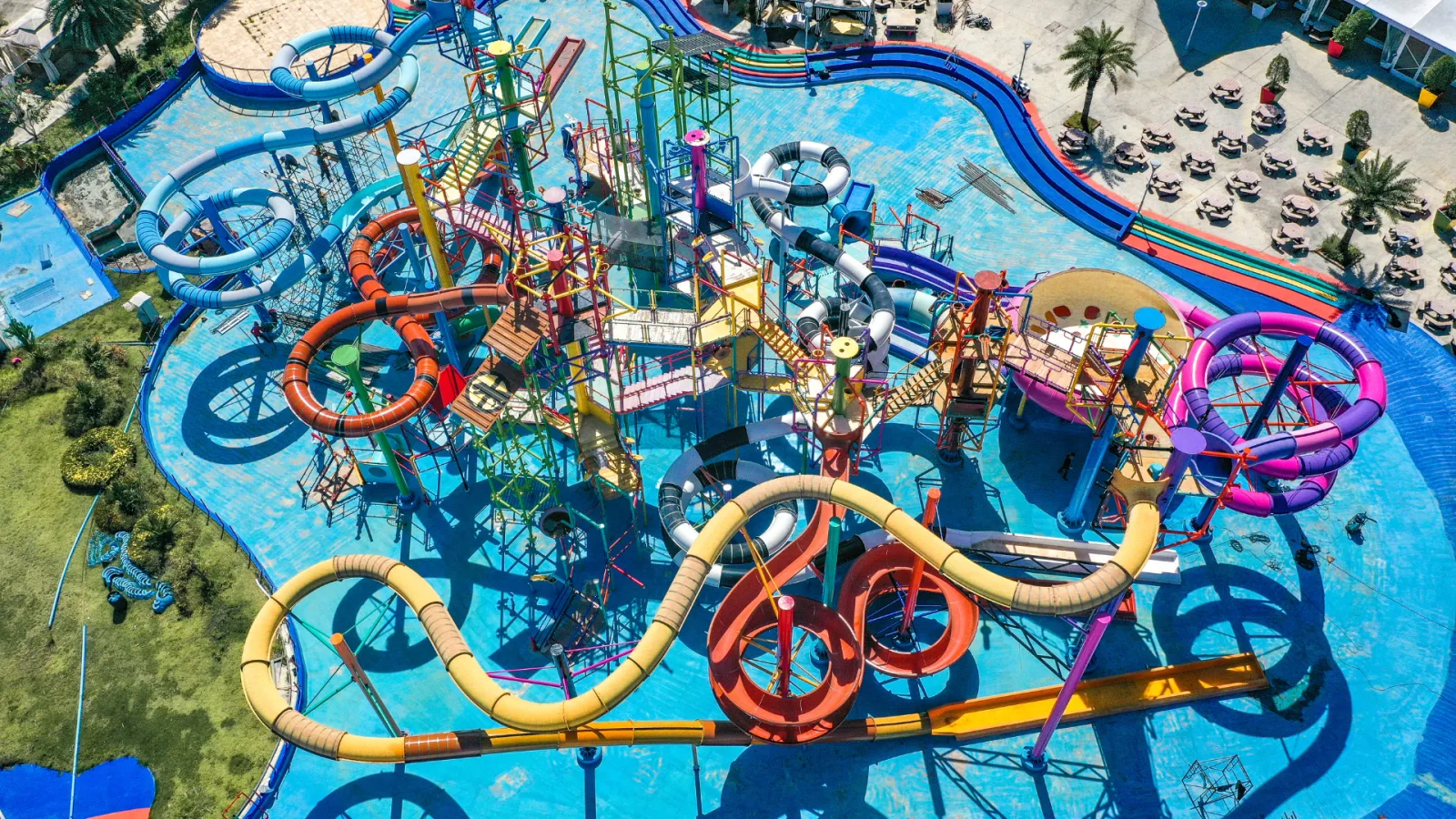
The network had to serve pools, slides, shaded areas and food stands. People moved between them throughout the day, carrying the devices they used for payments, information and coordination.
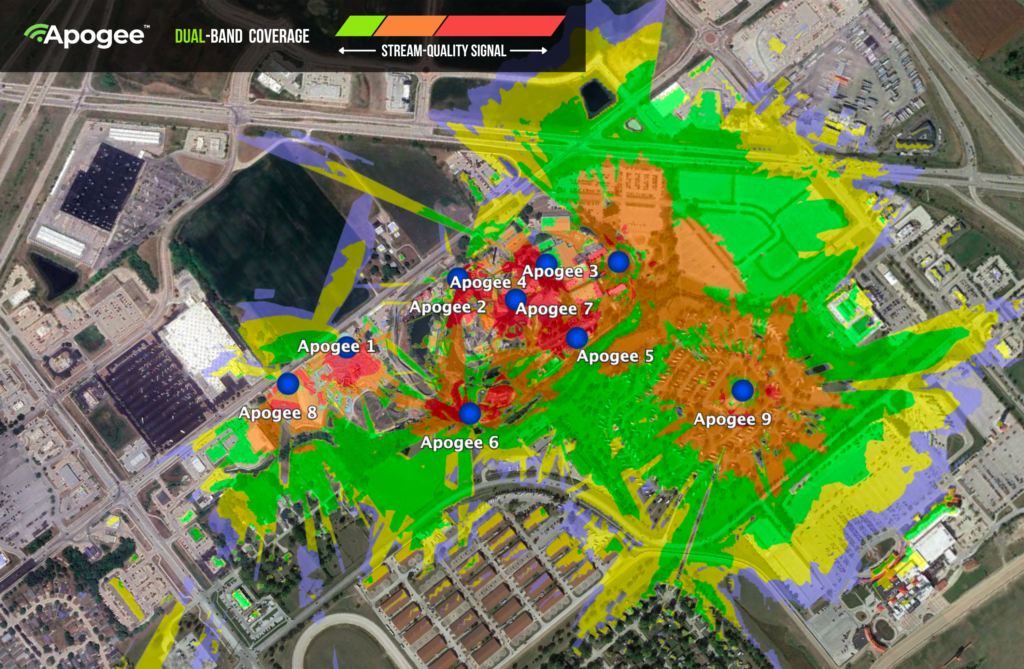
The waterpark deployed nine Apogee antennas to extend Wi-Fi across the facility. The source reports more reliable point-of-sale connections, better access to the park’s mobile platform and improved communication for staff working outdoors.
Waterpark Wi-Fi had to reach the service locations
Before the deployment, point-of-sale terminals stalled during busy periods. Visitors could not reliably reach maps, wait times and digital passes through the park’s mobile platform. Staff communication also slowed when the connection was needed for coordination.
The issue put extra work into ordinary interactions. A payment terminal needed a connection to complete a transaction. A mobile service needed network access to be useful away from the entrance. A staff member needed a working device where an issue required attention.
The park needed coverage across those working areas, including locations that could change for pop-up services or seasonal activity. Extending the usable network made more of the property available for the tools the park already depended on.
Nine antennas in a demanding outdoor setting
The installation used nine Apogee antennas for park-wide coverage. Pools and other water surfaces can reflect radio signals. Buildings, metal structures and the movement of crowds add conditions that need to be considered in the wireless design.
Apogee’s receive-side design helps the network hear lower-power handheld devices. That matters because the return signal from a staff device or visitor’s phone is part of every two-way connection. Coverage must support that reply as well as the signal sent out by the network.
Filtering plays a different role. Apogee’s Steep Powered Filters reduce unwanted out-of-band signals. They do not neutralize reflections from water or metal. Antenna placement and configuration still have to account for those features of the park.
Coverage and capacity also need separate attention. The nine antennas describe the installation’s coverage equipment. They do not establish how many visitors can connect at once. Access points and the wider network must be planned for the device count and traffic expected during busy periods.
Payments, park information and staff communication
After installation, the source describes point-of-sale terminals staying online at food stands, retail carts and quick-service locations. Staff gained more flexibility in placing pop-up service points within the covered areas.
Visitors could use maps, attraction information, wait times, schedules and digital tickets across the park. The mobile platform became easier to use during the visit, where those features were intended to help.
Staff teams could also communicate over longer outdoor distances, including maintenance and safety crews coordinating their work. The account reports smoother service and shorter waits, but does not publish queue-time measurements or a peak concurrent-user test.
The supported result is a broader working connection across the waterpark, using nine Apogee antennas. It helped the park’s digital tools remain useful as staff and visitors moved through the property.
Questions about the California waterpark deployment
How many antennas provided the waterpark coverage?
The California waterpark used nine Apogee antennas for park-wide Wi-Fi coverage. The source does not state the acreage or access-point count, so those figures should not be inferred from the antenna total.
What could visitors access through the network?
Visitors could access park maps, attraction information, wait times, show schedules and digital tickets or passes. These uses are described in the deployment account; the source does not give a maximum supported guest count.
Do Apogee’s filters remove reflections from pools?
Apogee’s filters reduce unwanted out-of-band signals. Reflections from pools and metal structures are separate radio conditions that the site design must consider. The waterpark result does not establish elimination of those reflections.
Explore the related theme park case and Aura’s outdoor wireless network solution. To review coverage for service locations and visitor areas, talk with Aura Wireless about your property, operating devices and expected demand.